
Budapest from the Chain Bridge
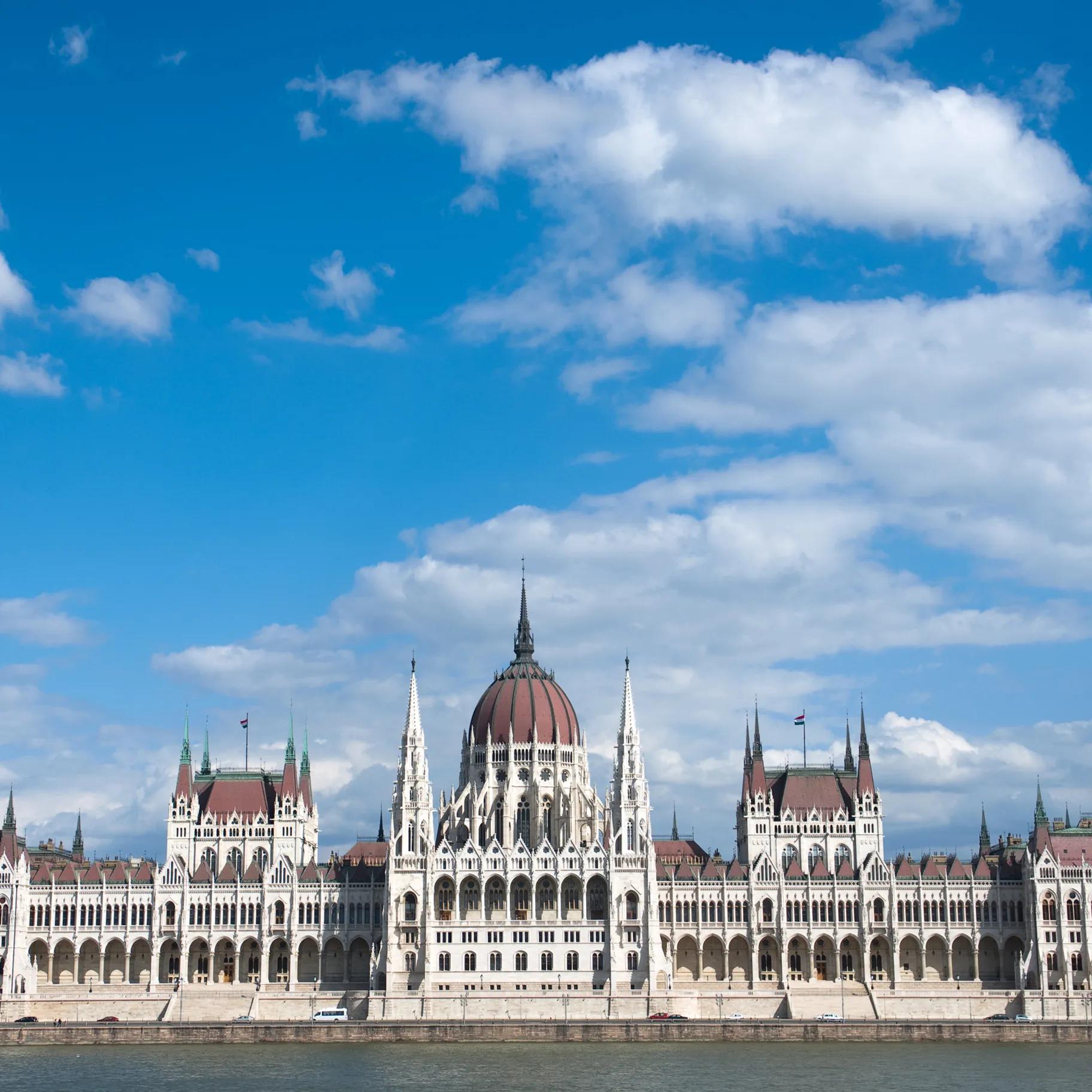
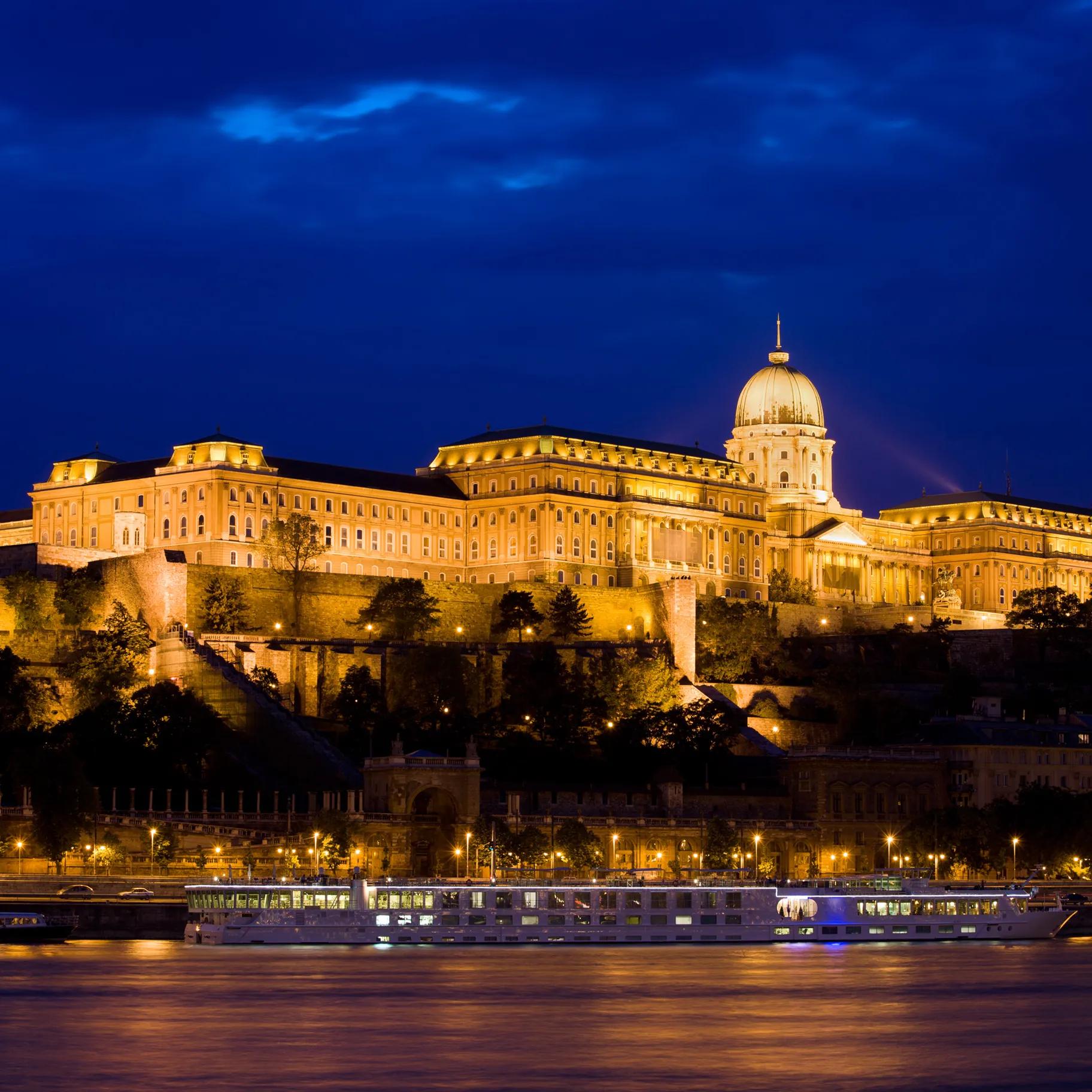
The Chain Bridge over the Danube is one of the most famous images of Budapest. This suspension bridge between the districts of Pest and Buda offers spectacular views of the banks of the Danube. On the Pest side, the pointed towers of the Parliament Building flank the Danube, while Buda Castle rises on the other bank. The suspension bridge itself is quite striking, especially at night when the heavy chains twinkle with thousands of lights.
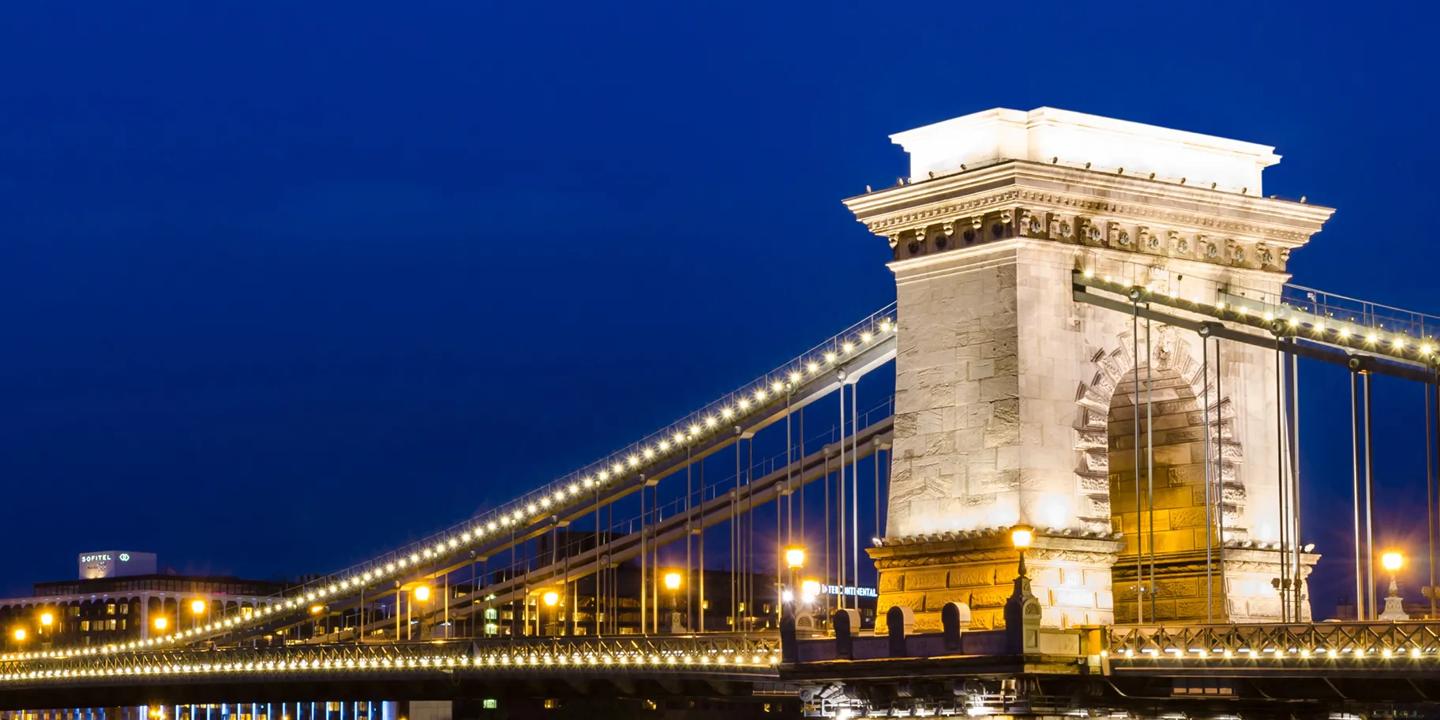
A suspension bridge instead of a ferry
While it’s almost impossible to imagine today, there was no permanent connection between Pest and Buda before the Chain Bridge was constructed. Those wanting to travel between what were then still separate cities had to take the ferry in the summer and walk across the frozen Danube in winter – if temperatures were low enough. But unexpected changes in the weather could make any crossing impossible, and as the nearest bridge was in Vienna some 250 kilometres away, unlucky people could get stuck for days on the wrong side of the river. Count István Széchenyi was one of those unlucky ones. In 1820, he had to wait a week to cross the river and missed his father’s funeral. He was so upset by this that he decided to remedy the situation in short order and established a foundation to finance the construction of a permanent bridge over the Danube. The English engineer William Tierney Clark designed the suspension bridge and the Scotsman Adam Clark (no relation) oversaw its construction. The grand opening took place on 21 November 1849.
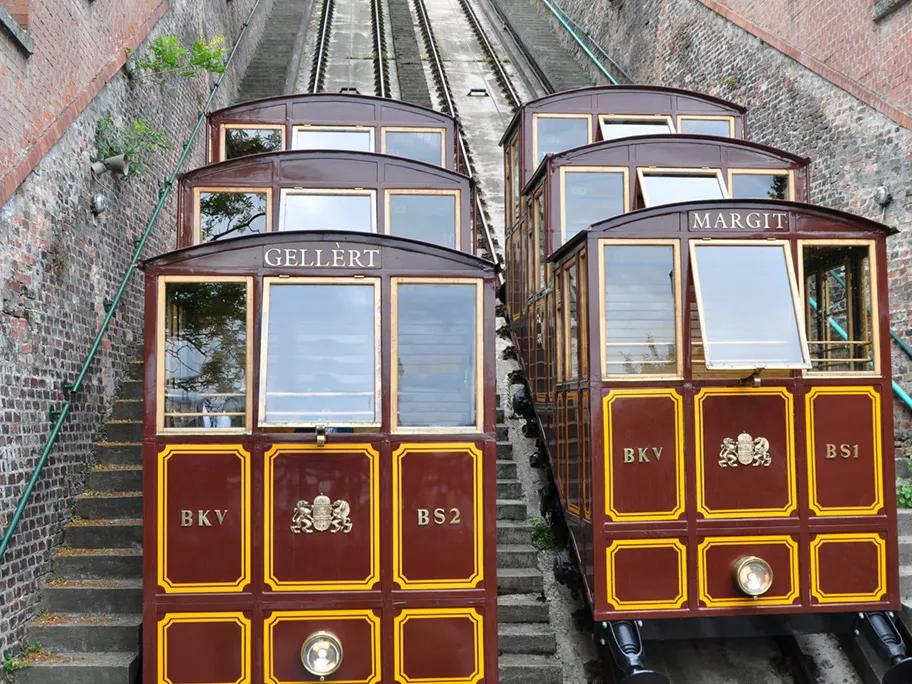
Taking the cable car up to the castle
Adam Clark Square, so named after the construction foreman of the Chain Bridge, features a jagged-shaped ‘0’. This sculpture by Miklós Borsos marks the starting point of all roads in Hungary. This is also where the cable car up to Buda Castle departs: this short ride offers breathtaking views of the Chain Bridge, the Danube Bend and Pest. An amusing fact is that the tunnel under Castle Hill, also built by Adam Clark, is exactly as long as the Chain Bridge. Hungarians like to joke that this is no coincidence: the bridge can be pushed into the tunnel when it rains.
Related articles
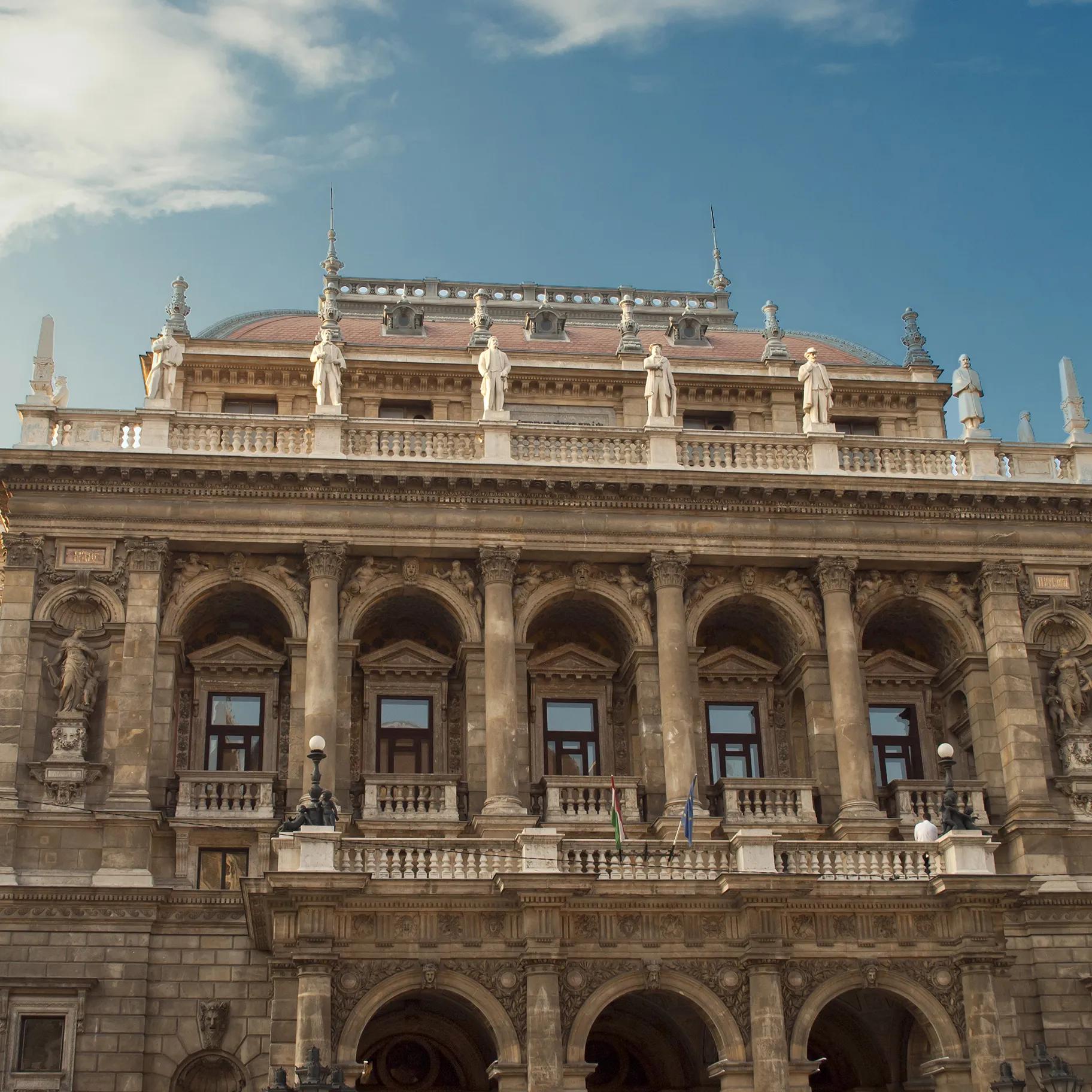
Arts & Culture
Walking along the elegant Andrássy Avenue, you’ll see beautiful maple trees and elegant villas on both sides. This atmospheric street is also the setting of the Hungarian State Opera. This stunning opera house was built in the late 19th century as an architectural and acoustic tour de force. Many Hungarians still love spending an afternoon or evening in style, enjoying a classical music concert or a ballet performance.
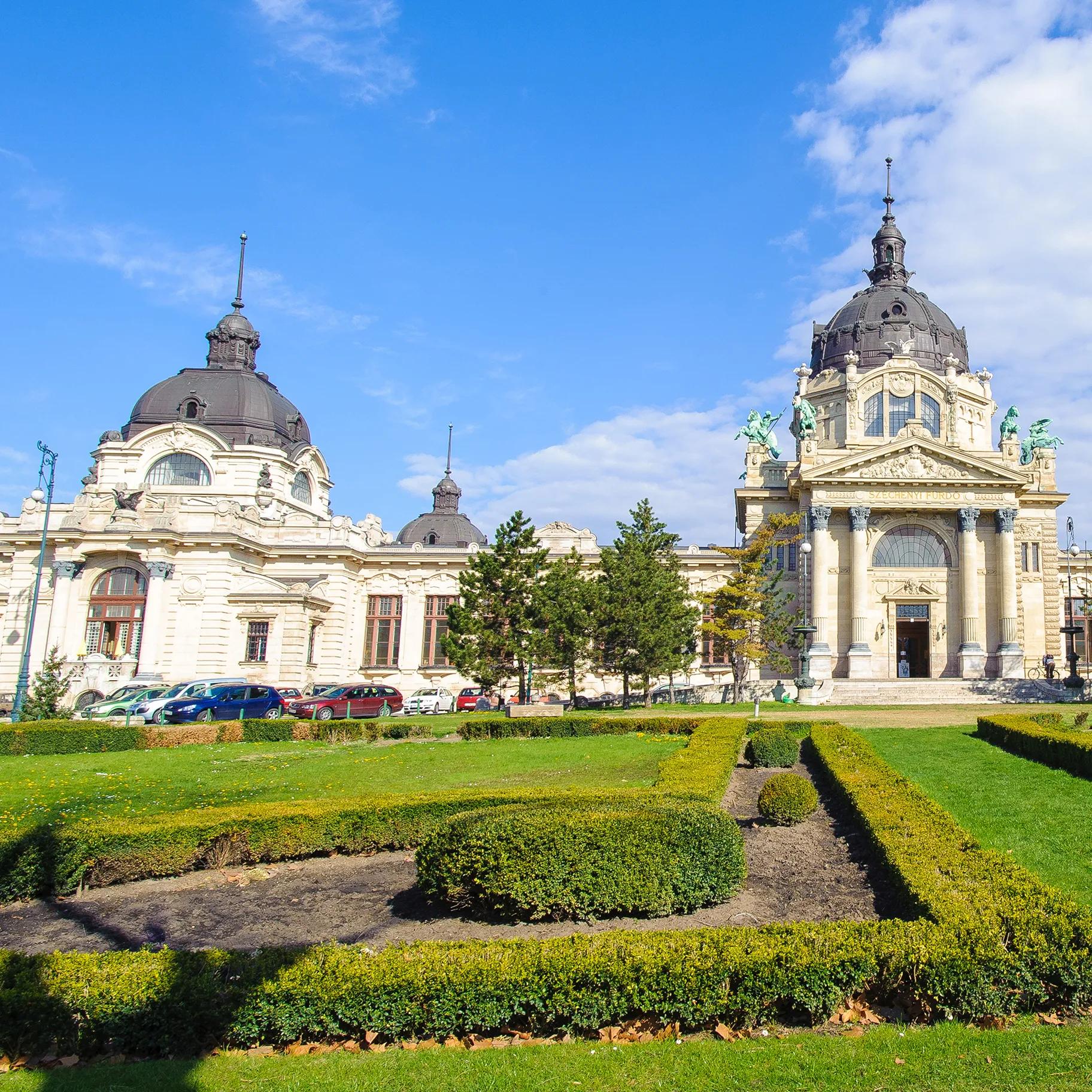
Wellness
Budapest has earned its title as City of Baths. The Romans already realised that the spring water was full of beneficial minerals, and the Ottomans, who conquered the region in the 16th century, skilfully built a number of thermal baths. The Széchenyi bathhouse, completed in the early 1900s, is the largest and one of the most beautiful in Budapest. It is further enhanced by a stunning location in the City Park.
Discover other destinations in Europe

*The displayed prices are for one adult. All amounts are in MXN. Taxes and surcharges are included. No booking fee is applicable. The prices shown are calculated at the exchange rate of today and may vary depending on fare availability.
The weather forecast information is provided by World Weather Online. Air France-KLM is not responsible for the reliability of this data.